How hard is it to get onto AJIO?
Harder than Flipkart, easier than Myntra. AJIO expects brand documentation and a coherent catalogue, but it onboards smaller labels that Myntra would turn away, particularly in ethnic and value fashion.
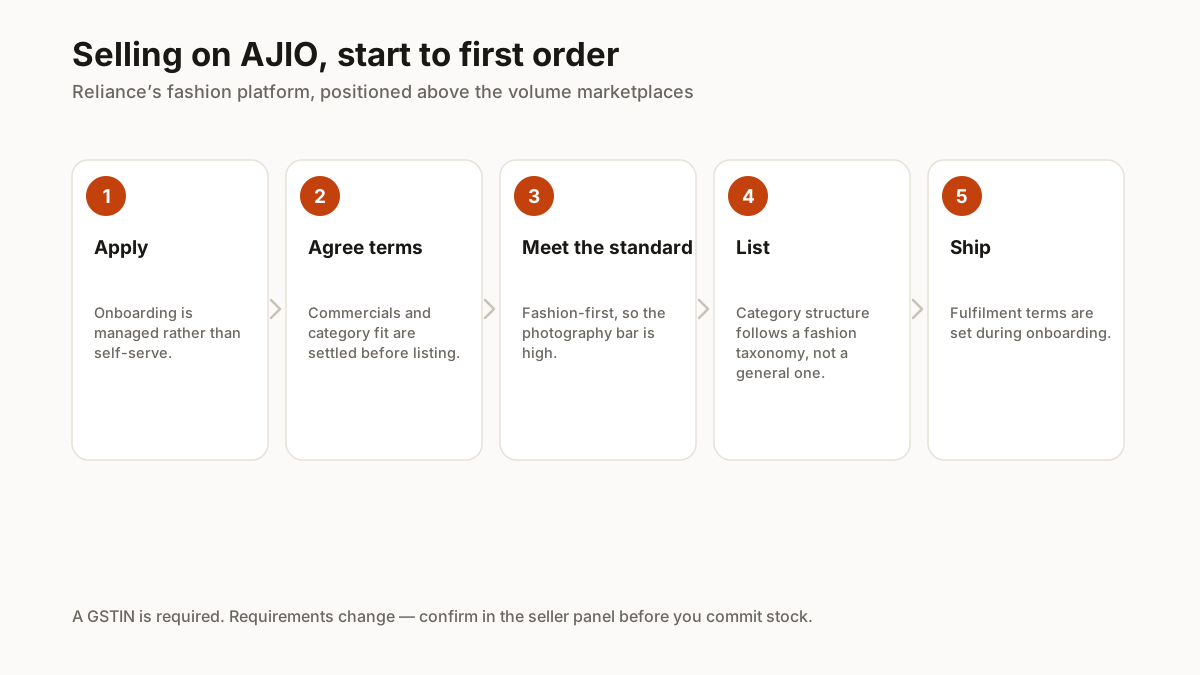
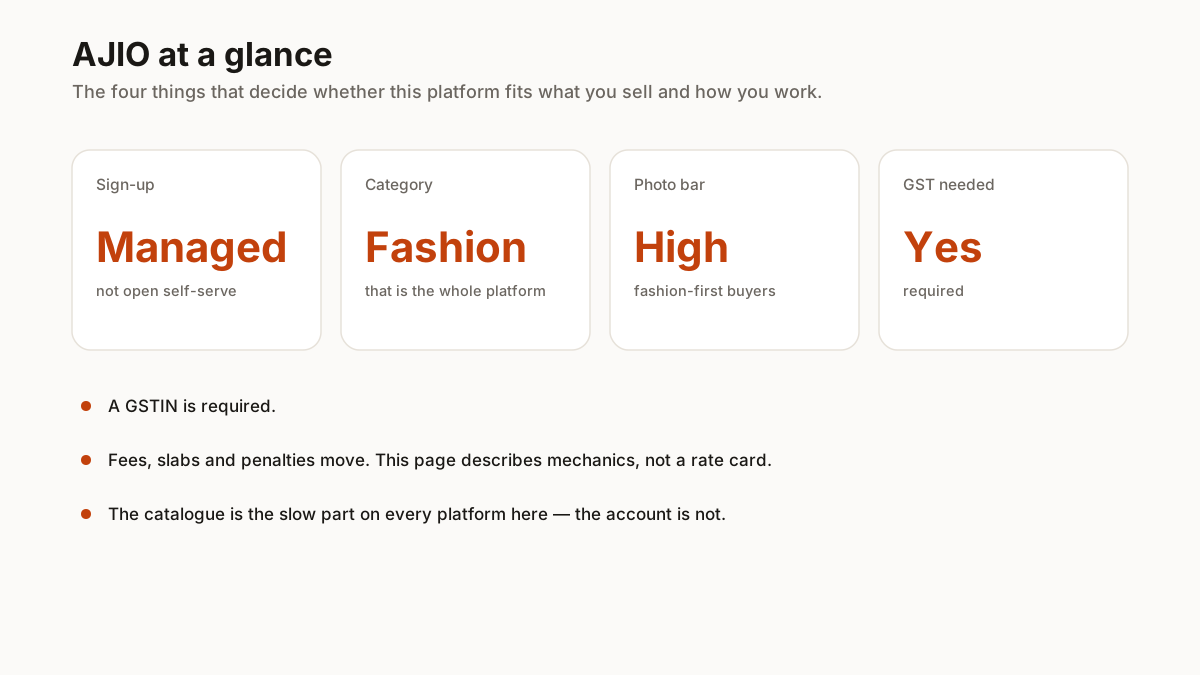
Registration goes through a seller application rather than instant self-signup, so expect a wait and a conversation instead of a form and an approval email.
GST is mandatory, as is a registered business entity. There is no route here for a seller operating on an enrolment ID.
What kind of seller does AJIO suit?
A small label with its own identity that has outgrown pure marketplace price competition but cannot yet meet Myntra's brand bar. Ethnic wear, fusion and value-fashion labels are well represented.
Being part of the Reliance retail group matters operationally — the platform connects to a wider retail apparatus, and sellers who perform sometimes find other doors inside the group open.
Photography expectations sit between the two neighbours: better than a marketplace flat-lay, not necessarily the full editorial shoot Myntra assumes.
How does AJIO compare on returns and margin?
The buyer is more considered than a Meesho shopper and less brand-driven than a Myntra one, and return behaviour sits between the two. Sizing discipline still does most of the work in keeping returns down.
Fee structures vary by category and change, so read the current rate card in the seller panel before pricing and not working from any figure published elsewhere.
Treat it as a third channel rather than a replacement. Most Indian sellers who reach this stage are running Meesho, Flipkart and AJIO together with the same catalogue.
What does managed onboarding involve?
A conversation rather than a form. Commercials, category fit and fulfilment terms are settled before you list anything, which means the timeline is set by the platform’s process rather than by how fast you can fill in fields — and it means the terms you agree at the start are the terms you operate under.
Come prepared with what you sell and at what volume. A managed process goes considerably better when you can describe your range, your price points and your capacity concretely, because those are precisely what the fit assessment is about.
Category structure follows a fashion taxonomy rather than a general merchandise one, which is a real difference if you are coming from a broad marketplace. Products get placed by how fashion retail thinks about them, and that placement affects who ever sees them.
The slower start buys a more defined position. Sellers who fit the platform find less of the undifferentiated price competition that characterises the open marketplaces.
Who is this a good fit for?
Sellers with a coherent range rather than a collection of individual products. A fashion-first platform is merchandising your products alongside others, and a range that hangs together — consistent quality, consistent look, a recognisable point of view — is far easier to place than a dozen unrelated items.
It also suits sellers whose margin can carry a higher photography standard. The photographic bar is a fashion bar, and meeting it costs something; that cost is recoverable at fashion price points and painful at value ones.
It fits poorly if your business is built on being cheapest. That is a genuine strategy and there are platforms built for it, but this is not one of them, and trying to run it here means competing on the axis the platform has deliberately de-emphasised.
Being honest about that fit before applying saves a considerable amount of everybody’s time.
Related free seller tools
Frequently Asked Questions
What is AJIO seller registration?
AJIO is Reliance's fashion platform, onboarding through a seller application in place of instant self-signup. Expect brand documentation, mandatory GST and a curated review not automatic approval.
Is AJIO easier to join than Myntra?
Yes. AJIO onboards smaller labels that Myntra would turn away, particularly in ethnic and value fashion, while still expecting more brand identity than an open marketplace does.
Do I need GST for AJIO?
Yes, along with a registered business entity. There is no enrolment-ID route as there is on Meesho.
What products sell well on AJIO?
Ethnic wear, fusion and value-fashion labels are well represented. The buyer is more considered than a Meesho shopper and less brand-driven than a Myntra one.
What photography does AJIO expect?
Better than a plain marketplace flat-lay but not necessarily the full editorial shoot Myntra assumes. Clean, consistent product images with proper sizing information.
Should AJIO replace my other channels?
No. Most sellers who reach this stage run Meesho, Flipkart and AJIO together from one catalogue rather than moving between them.
How do I start selling on AJIO?
Through a managed onboarding rather than self-serve registration. Commercials, category fit and fulfilment terms are settled before you list, so come prepared to describe your range, price points and capacity concretely.
Is AJIO right for a value-priced seller?
Poorly. It is a fashion-first platform that has deliberately de-emphasised price competition, and its photographic standard costs something to meet — recoverable at fashion price points, painful at value ones.
Rates and policies change. Check the current rate card in your seller panel before pricing — the structure above stays stable, the numbers do not.