What sells consistently on Meesho?
Daily-wear apparel in the ₹350 to ₹650 band does the volume: cotton kurtis, printed suit material, everyday sarees. That buyer shops on price and photograph, and she buys again in 6 to 8 weeks.
Kitchen and home items, phone accessories and small storage products move steadily for the same reason — low price, easy decision, no sizing risk.
What does not hold is premium. Above roughly ₹1,500 the same buyer expects a brand, and a generic listing at that price competes against expectations it cannot meet.
How should you time festive stock?
Buy 45 days before the festival, list 30 days before, and expect the peak in the final 2 weeks. Sellers who stock in the peak are buying at the highest wholesale price and selling into the most crowded listing period.
Navratri through Diwali is the heaviest stretch, followed by the wedding months. Plan the whole run instead of reacting festival by festival.
Leave stock headroom. A festive line that sells out 5 days early has lost the last week of demand, and that week is often a third of the season.
How do you find what is trending yourself?
Your own settlement report beats any published list. Sort by units sold, then by units returned, and the product that sells well and comes back rarely is your real winner — not the one with the highest gross sales.
Watch what your buyers ask for in DMs. Requests for a colour or size you do not stock are demand data nobody else has, and they arrive free.
Published trending lists describe last month. By the time a category is widely known to be selling, the listing page for it is crowded and the wholesale price has moved.
Why does a published list arrive too late?
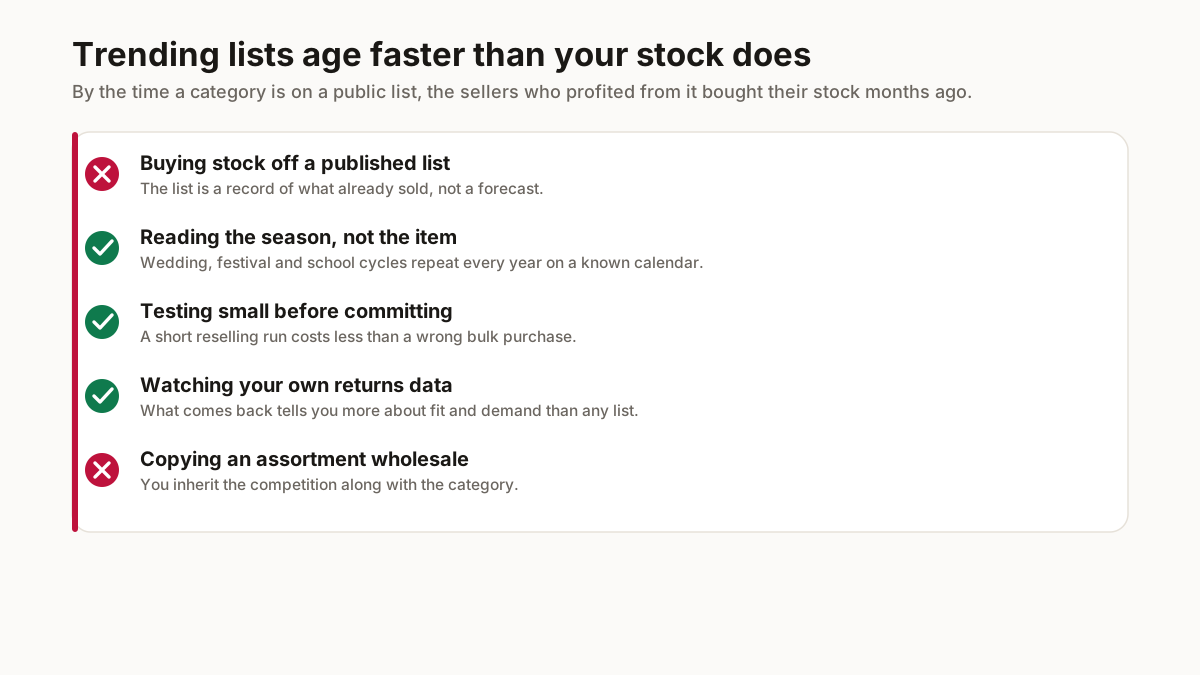
Because publishing is the last step of a cycle, not the first. By the time a category appears on a public trending list, the sellers who profited from it placed their orders months earlier, received stock, listed it and sold through the demand that made it trend. What is left for a new entrant is the tail, at the price competition has already driven it to.
Manufacturing lead times make this concrete. Stock ordered today arrives after a delay that has nothing to do with how fast the trend is moving, and a trend that peaked before your delivery date is stock you will discount.
The lists are not useless, though — they are just the wrong input for a buying decision. Read as a record of what sold, they tell you something real about which price points and which categories have depth, and that is a durable observation in a way that any specific item is not.
Which is the distinction worth holding: the category is information, the item is history.
What should you watch instead?
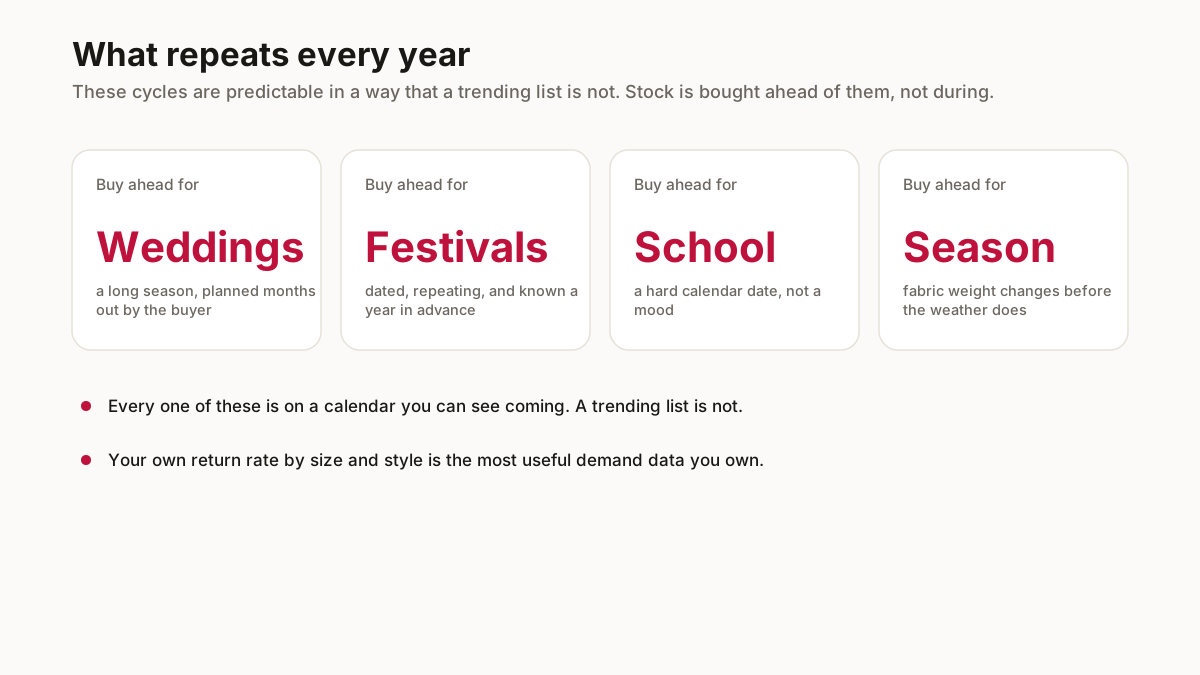
Your own returns data, first. What comes back, and why, is the most honest demand signal you own — it tells you which sizes run wrong, which colours photograph misleadingly, and which styles buyers wanted until they saw them. No public list contains anything comparable.
Then your own search terms. The panel reports what buyers typed before they found your listing, and those terms are frequently not the ones you optimised for. Selling more of what people are already finding you for is easier than winning a category you have no history in.
Then the calendar, which is the genuinely predictable part. Wedding seasons, festivals and school cycles recur on dates known a year ahead, and stock for them is bought before the demand appears rather than after. That is the same timing advantage the trending-list sellers had, available to anyone who plans.
And test small before committing. A short reselling run, or a handful of units, costs a fraction of a wrong bulk purchase and answers the same question with real buyers rather than with a list.
Related free seller tools
Frequently Asked Questions
What products are trending on Meesho?
Daily-wear apparel in the ₹350 to ₹650 band does the volume — cotton kurtis, printed suit material, everyday sarees — along with kitchen items, phone accessories and small storage. Published trending lists describe last month, so your own settlement report is a better guide.
What price range sells best on Meesho?
Roughly ₹350 to ₹650 for apparel. Above ₹1,500 the same buyer expects a brand, and a generic listing competes against expectations it cannot meet.
When should I stock festive products?
Buy 45 days before the festival and list 30 days before, expecting the peak in the final 2 weeks. Stocking during the peak means buying at the highest wholesale price into the most crowded listing period.
How do I find what is selling in my own catalogue?
Sort your settlement report by units sold, then by units returned. The product that sells well and comes back rarely is the real winner, not the one with the highest gross sales.
Are published trending lists useful?
Only as background. By the time a category is widely known to be selling, the listing page is crowded and the wholesale price has already moved. Your own returns data is more current and nobody else has it.
Why should I not buy stock from a trending products list?
Because publishing is the last step of the cycle. The sellers who profited ordered months earlier and sold through the demand that made it trend. Read the list as a record of which categories and price points have depth, not as a buying instruction.
What is a better demand signal than a trending list?
Your own returns data and your own search terms. Returns tell you which sizes run wrong and which colours photograph misleadingly; search terms tell you what buyers typed before finding you, which is often not what you optimised for.
Rates, slabs and penalties change. Check the current figures in your supplier panel before pricing — the mechanics above stay stable, the numbers do not.