How does the Meesho reselling model work?
You pick products from supplier catalogues, share them with your own buyers over WhatsApp or Instagram, and place the order at the supplier price when someone buys. The difference between that and what you charged is yours.
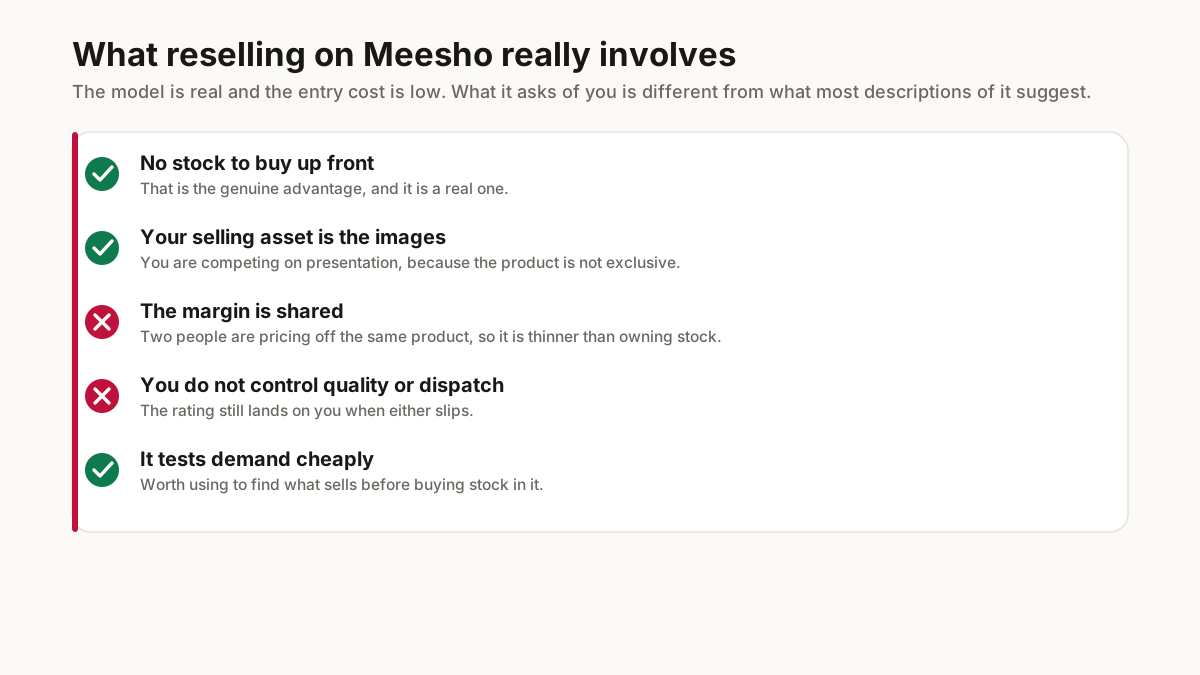
No inventory, no capital, no dispatch. The supplier ships directly to your customer, which removes almost all of the operational work that makes selling hard to start.
What it does not remove is the customer relationship. Your buyer holds you responsible for quality and delivery even though you touched neither.
What do people actually earn?
It depends on the audience over the platform, and that distinction is where most disappointment comes from. Someone with 200 to 400 engaged WhatsApp contacts can build real supplementary income; someone with none earns close to nothing regardless of effort.
Realistic figures for an active reseller with a genuine audience sit around ₹3,000 to ₹15,000 a month. Numbers well above that usually involve either a large audience built over years or an inventory business rather than reselling.
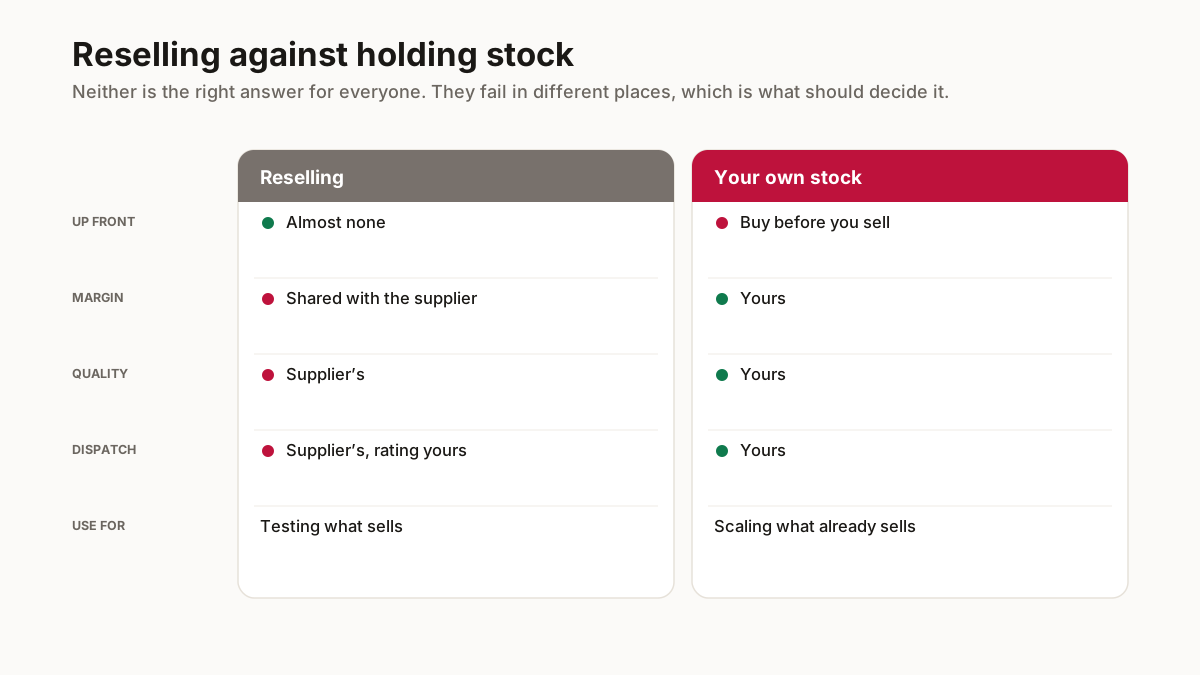
Margins are thinner than buying wholesale, because someone else is carrying the inventory risk you are avoiding. That trade makes sense while you are learning what sells.
When should you stop reselling and start buying stock?
Once you know which 5 or 10 products your buyers reliably want. At that point buying those specific items wholesale takes margin from roughly 10 to 15% up to 30 to 40% on the same sales.
Keep reselling the long tail. Most sellers who make this transition run both — owned stock on their proven winners, reselling for everything they are not sure about.
The education is the real value of the reselling phase. You learn your buyers' taste, sizes and price ceiling without spending anything on stock to find out.
What are you actually competing on?
Presentation, because the product is not exclusive to you. Several resellers can be listing the identical item from the identical supplier at the same moment, which means the photograph, the title and the price are the entire difference between your listing and theirs.
That makes image work the core skill rather than a chore. A reseller who takes the supplier’s images and uses them unchanged is competing on price alone, which is a race to the thinnest possible margin against people willing to go thinner.
Description is the underused half. Supplier copy is usually generic, and a reseller who writes what the fabric actually is, what the set includes and what the length is answers the questions that otherwise arrive as messages — and converts the buyers who were deciding between two identical listings.
None of which changes the structural fact that your margin is shared. Reselling is a way to find out what sells without buying stock, and it is a poor way to build a durable margin once you know.
What can go wrong that is not your fault?
Quality, dispatch time and stock availability — all controlled by the supplier, all landing on your rating. A supplier who ships late or sends something different from the photograph damages an account with your name on it, and there is no mechanism by which that blame transfers back.
Stock is the most common failure. A supplier running out mid-order leaves you cancelling, and cancellations are among the more expensive things that can happen to a seller account. Checking availability before listing aggressively is worth the friction.
Returns are messier than with your own stock. The parcel comes back to somebody, the refund is yours to handle, and reconciling what the supplier owes you against what you owe the buyer is administrative work that scales badly.
Which is the practical case for treating reselling as a testing stage. Use it to find out which categories move, then buy stock in the winners so quality and dispatch come back under your own control.
Related free seller tools
Frequently Asked Questions
Is Meesho reselling the same as dropshipping?
Similar in structure but not identical. You share supplier catalogues with your own buyers and earn the margin, and the supplier ships directly. No inventory, no capital, no dispatch.
How much can I earn reselling on Meesho?
Around ₹3,000 to ₹15,000 a month for an active reseller with a genuine audience. It depends almost entirely on how many engaged buyers you can reach, because the platform supplies products not customers.
Do I need investment to start reselling?
No. A phone, a bank account and people to sell to is the whole requirement, which is why the model recruits so heavily among people running businesses from home.
When should I switch from reselling to buying stock?
Once you know which 5 to 10 products your buyers reliably want. Buying those wholesale takes margin from roughly 10 to 15% up to 30 to 40% on the same sales.
Who is responsible if a resold order goes wrong?
Operationally the supplier ships, but your buyer holds you responsible for quality and delivery. The customer relationship stays yours even when the logistics do not.
Who is responsible if a dropshipped order arrives late?
You are, as far as the rating is concerned. Quality, dispatch time and stock availability are the supplier’s to control but land on the account with your name on it, and there is no mechanism that transfers the blame back.
How do I compete when several resellers list the same product?
On presentation, because the product is not exclusive. Using the supplier images unchanged leaves price as your only lever, which is a race against people willing to go thinner. Better photographs and a description that answers fit and fabric convert the buyers who were choosing between identical listings.
Rates, slabs and penalties change. Check the current figures in your supplier panel before pricing — the mechanics above stay stable, the numbers do not.