What is a GST enrolment ID and who can use it?
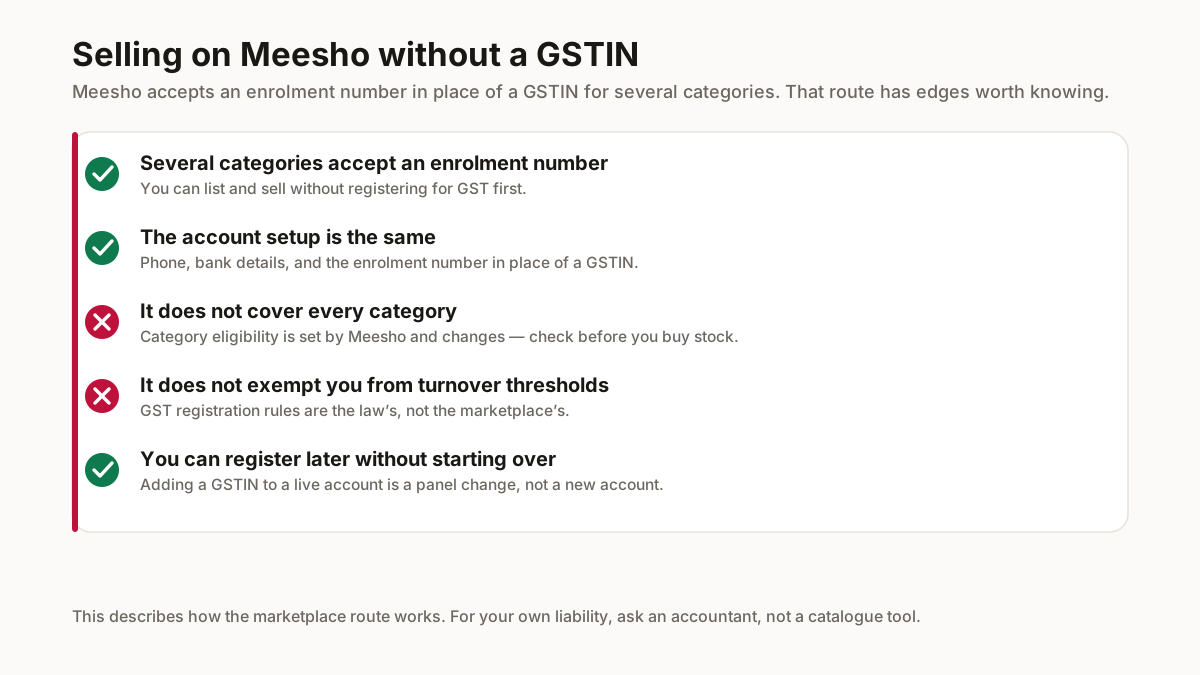
It is an identifier for sellers whose turnover sits below the GST registration threshold, letting them sell on a marketplace without a full GSTIN. Meesho supports it for a defined set of categories, which is a genuine difference from Flipkart and Amazon.
Not every category qualifies, and the list is set by the platform not by you. Check yours in the supplier panel before building a catalogue on the assumption it applies.
This is a starting arrangement, not a permanent one. Cross the turnover threshold and GST registration stops being optional.
What changes once you register for GST?
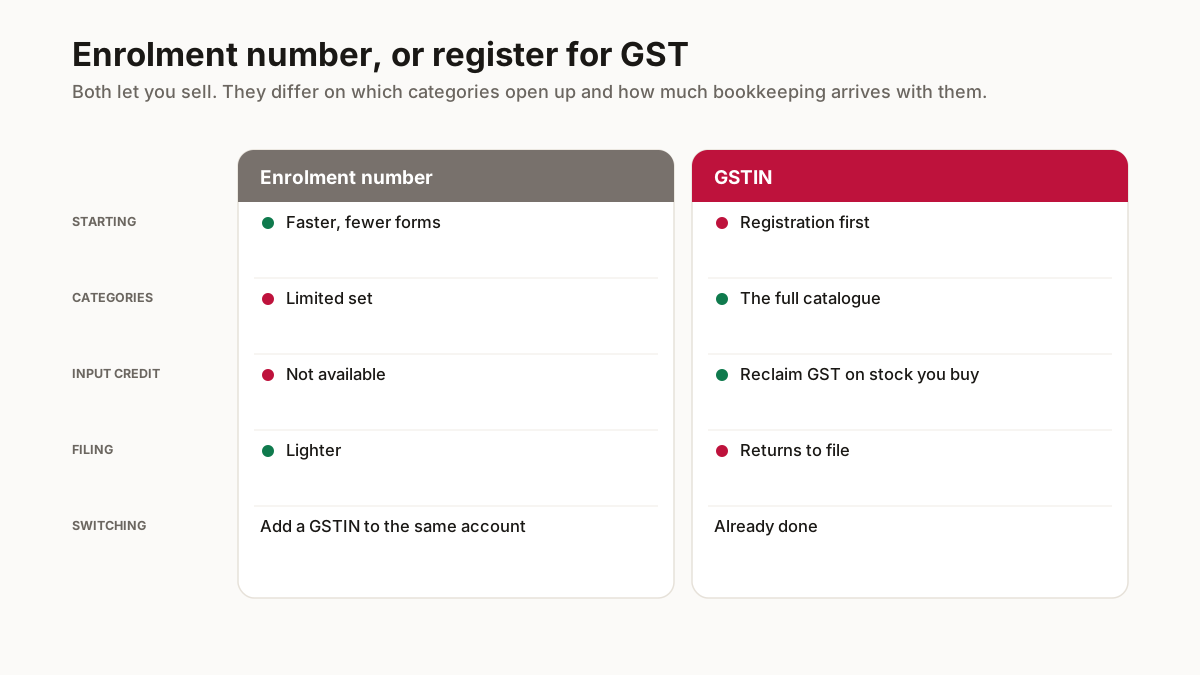
More platforms open. Flipkart, Amazon, Snapdeal and AJIO all require a full GSTIN, so registration is the gate between selling on one marketplace and selling on four.
You also start filing returns, which is real ongoing work. Most small sellers hand it to a CA for a few hundred rupees a month, and that cost belongs in your margin calculation from the day you register.
Input credit becomes available on your purchases, which for a seller buying wholesale stock regularly is not trivial. That partly offsets the compliance cost.
When should you register instead of wait?
When the enrolment route is holding you back rather than helping. If your category is not covered, or you are ready to list on a second marketplace, the registration is the unlock and delaying it costs sales.
Turnover is the other trigger and it is not optional. Approaching the threshold means registering, and doing it before you are forced to is calmer than doing it in arrears.
Register in the name you will trade under. Changing entity details afterwards is administrative work you can avoid entirely by thinking about it once at the start.
What does the enrolment route change day to day?
Less than sellers expect on the selling side, and more than they expect on the buying side. Listing, pricing, dispatch and payouts all work the same way; the difference sits in which categories are open to you and in what happens to the tax embedded in your wholesale purchase.
That embedded tax is the part worth understanding. A registered seller reclaims input credit on what they buy, so the GST inside a wholesale invoice is recoverable. Without registration it is not, which means your real cost of goods is higher than the invoice figure suggests, and a break-even price built from the invoice alone will be too low.
Category eligibility is set by Meesho and changes, so it is checked before buying stock rather than assumed. Committing money to a category you then discover is closed to the enrolment route is an expensive way to learn the rule.
Everything else about running the shop is unchanged, which is genuinely the point of the route: it lowers the barrier to finding out whether you can sell at all before asking you to take on the bookkeeping that comes with registration.
When is it worth registering anyway?
When the input credit outweighs the filing. A seller buying stock regularly at a meaningful volume is leaving recoverable tax on the table every purchase, and at some point that recurring loss exceeds the cost and hassle of filing returns. Where that point sits depends on your purchase volume rather than on any rule of thumb.
Also when a closed category is the one you actually want. If the products you know how to source sit outside the enrolment route, registering is not a tax decision so much as the price of selling the thing you understand.
And when you plan to sell elsewhere. Most other Indian marketplaces require a GSTIN outright, so a seller intending to add Flipkart or Amazon later will need one regardless, and doing it once at a time of your choosing beats doing it under pressure.
Switching does not mean starting over. A GSTIN is added to a live account through the supplier panel, and your catalog, ratings and history come with you. For the liability question specifically — whether you are required to register — ask an accountant rather than a catalogue tool.
Related free seller tools
Frequently Asked Questions
Can I sell on Meesho without a GST number?
For several categories, yes. Meesho accepts a GST enrolment ID instead of a full GSTIN for sellers below the registration threshold, which is why it is usually the first marketplace a home seller can join.
What is a GST enrolment ID?
An identifier for sellers whose turnover is below the GST registration threshold, allowing marketplace selling without a full GSTIN. The eligible category list is set by the platform, so check yours in the supplier panel.
Do other marketplaces allow selling without GST?
Generally no. Flipkart, Amazon, Snapdeal and AJIO all require a full GSTIN, so GST registration is the gate between one marketplace and four.
What does GST registration cost me ongoing?
Filing returns is the real cost, and most small sellers pay a CA a few hundred rupees a month for it. Input credit on wholesale purchases partly offsets that.
When must I register for GST?
When your turnover approaches the threshold, or when your category is not covered by the enrolment route, or when you want to sell on a second marketplace. Registering before you are forced to is calmer than doing it in arrears.
Does selling without GST cost me anything?
Yes, indirectly. Without registration you cannot reclaim the input credit on your wholesale purchases, so the GST embedded in the invoice is a real cost. A break-even price built from the invoice figure alone will be too low.
Can I add a GSTIN to an existing Meesho account?
Yes. It is a change in the supplier panel rather than a new account, and your catalog, ratings and history come with you.
Rates, slabs and penalties change. Check the current figures in your supplier panel before pricing — the mechanics above stay stable, the numbers do not.